Oval

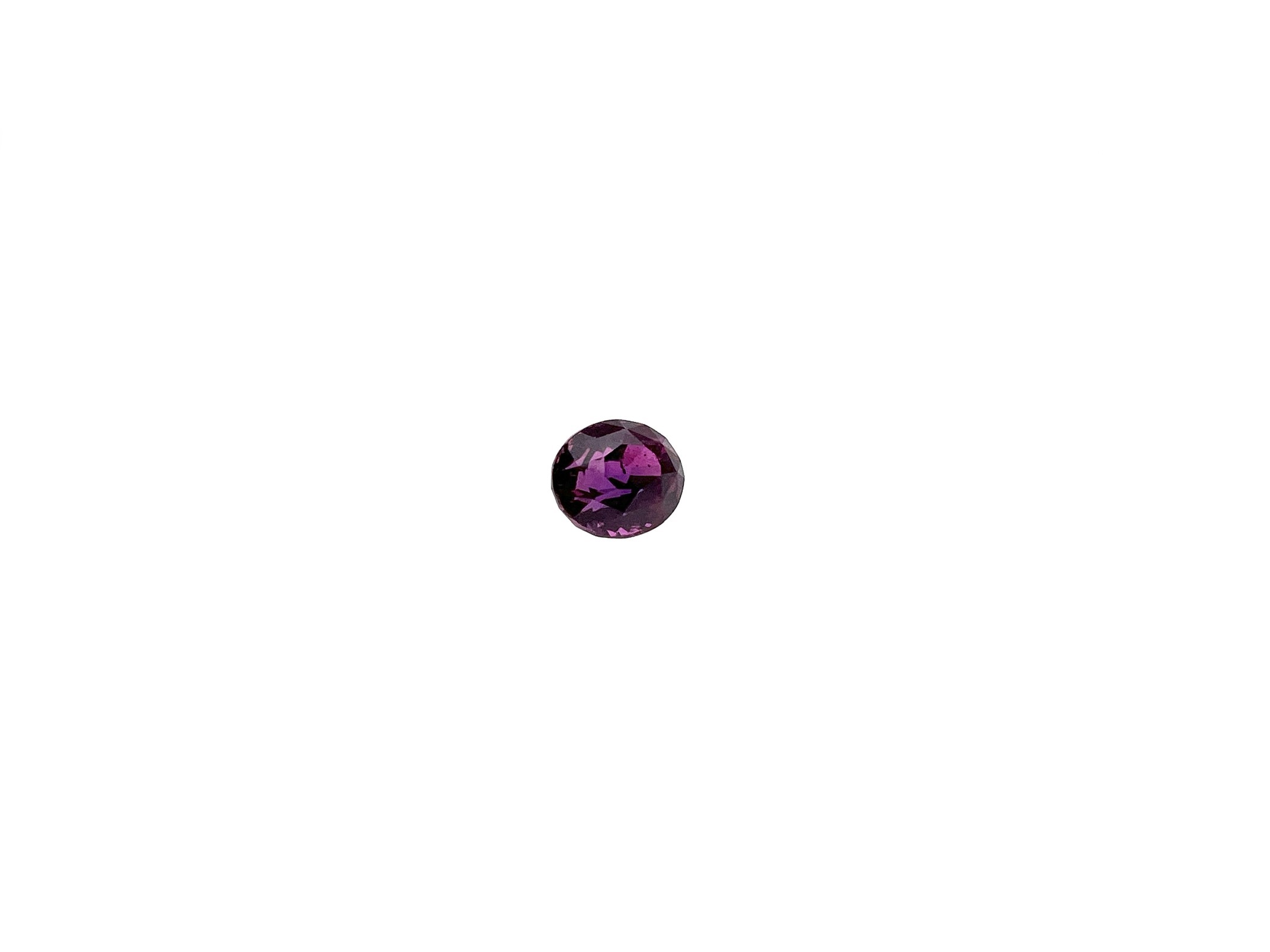
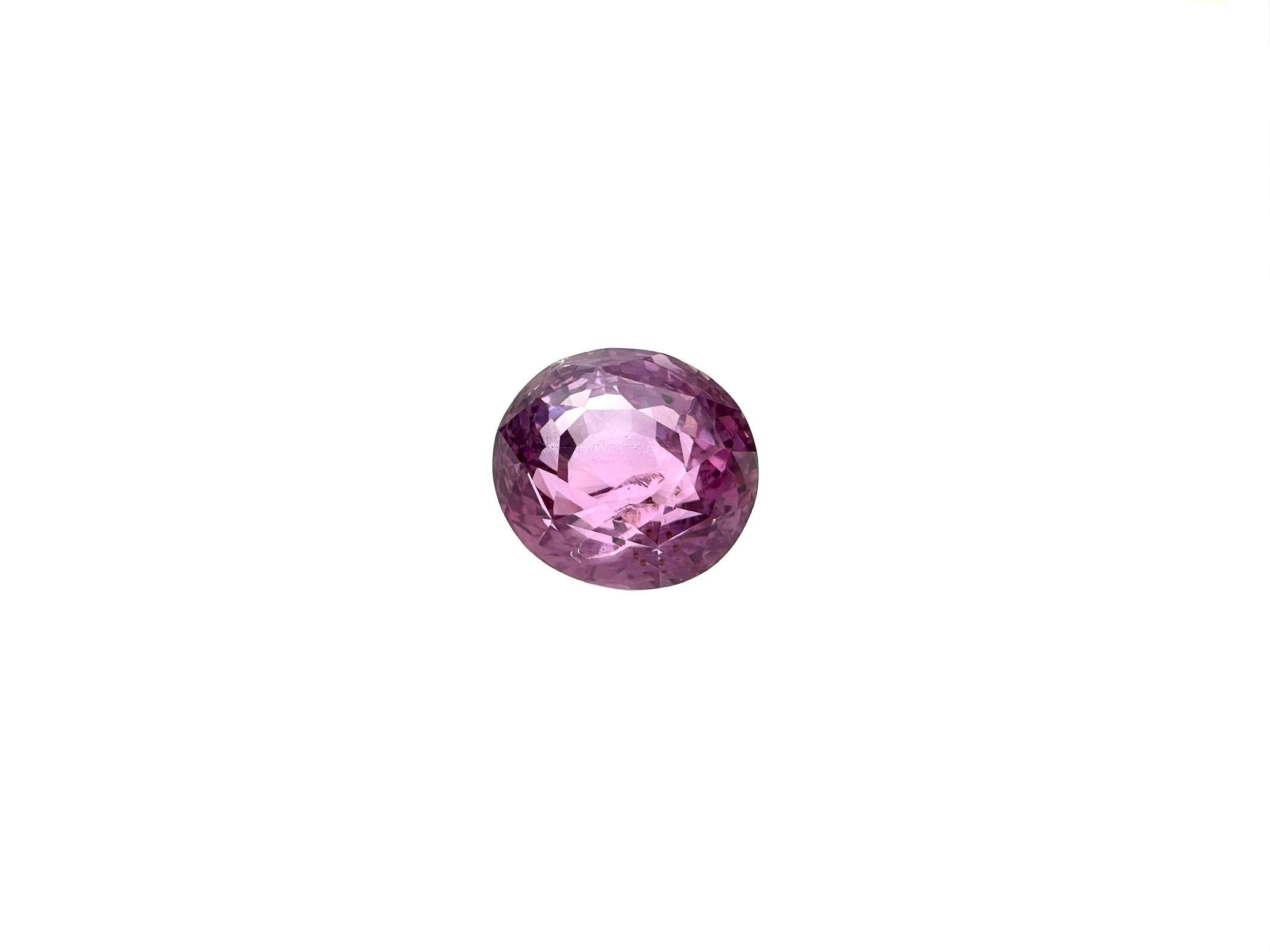
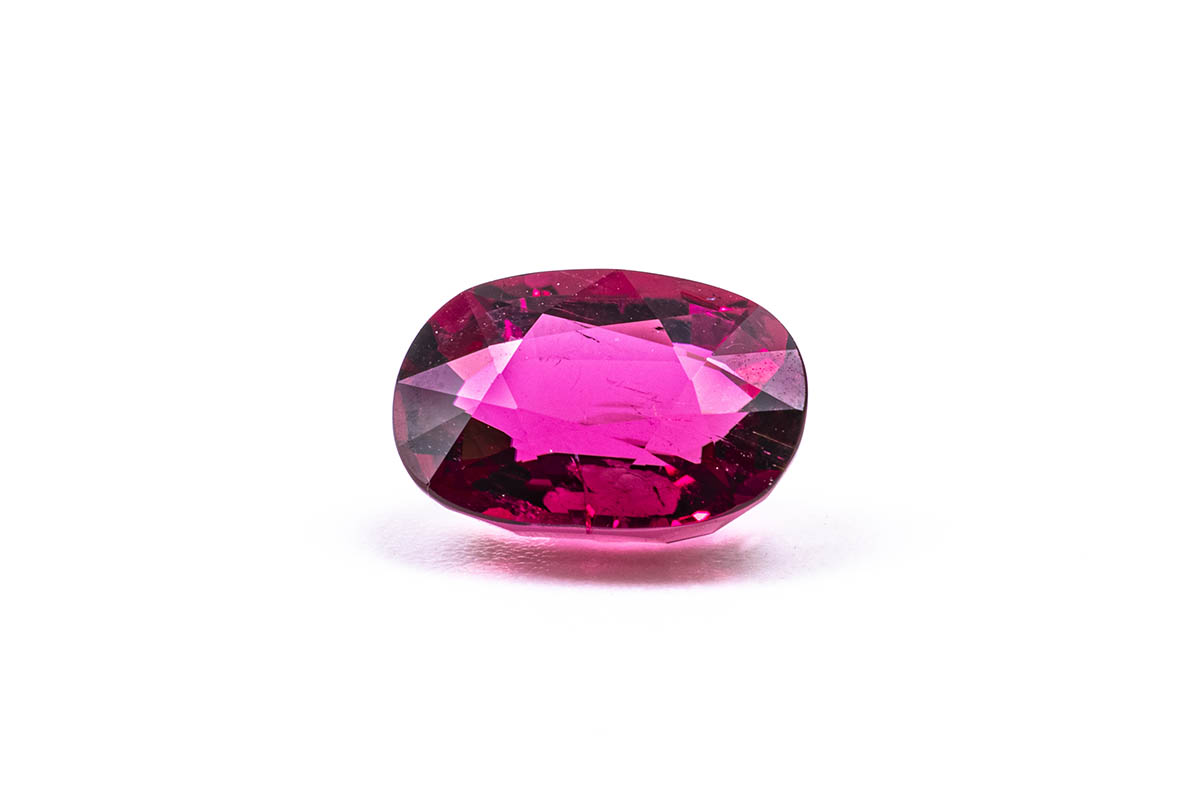
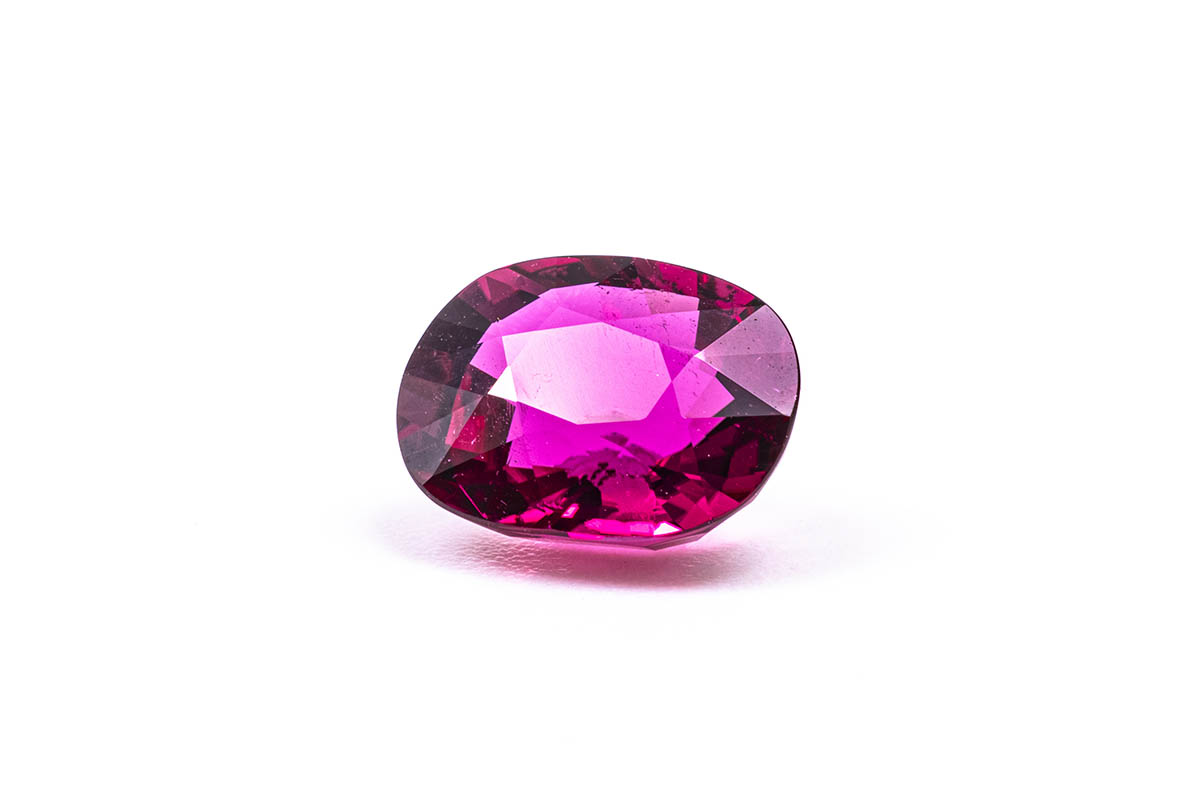
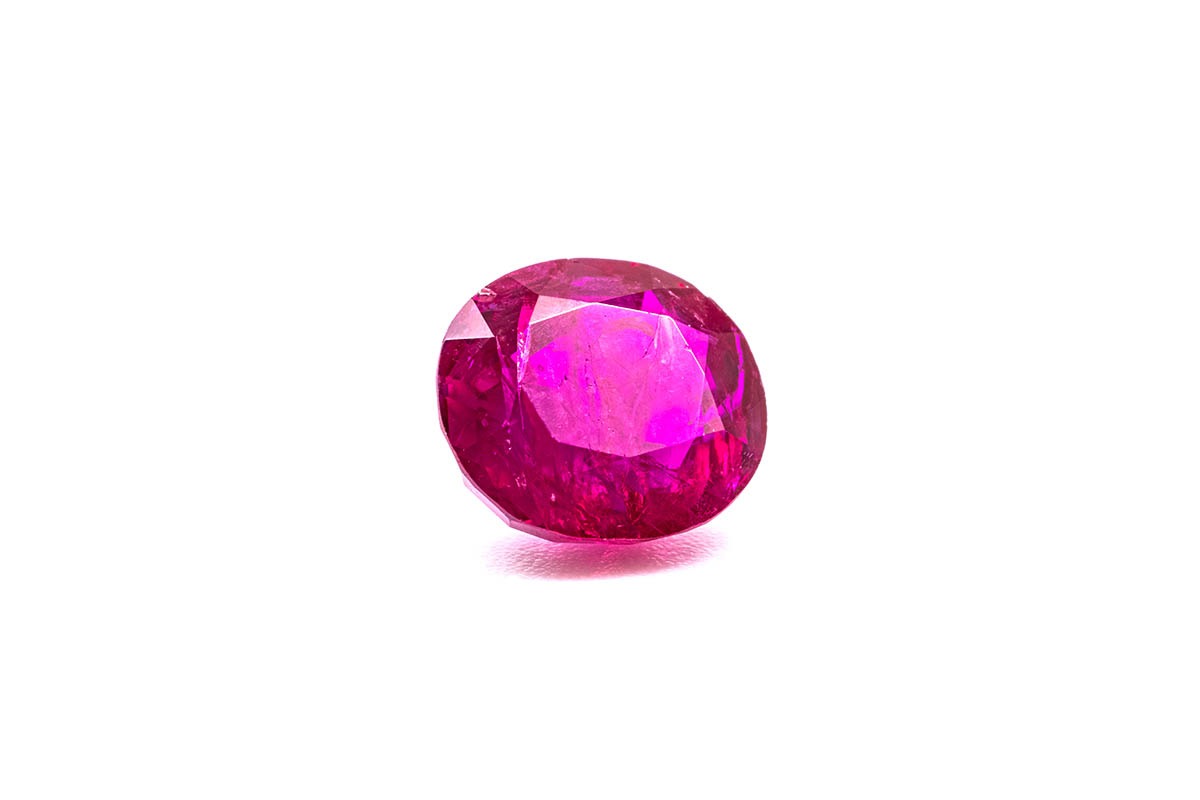
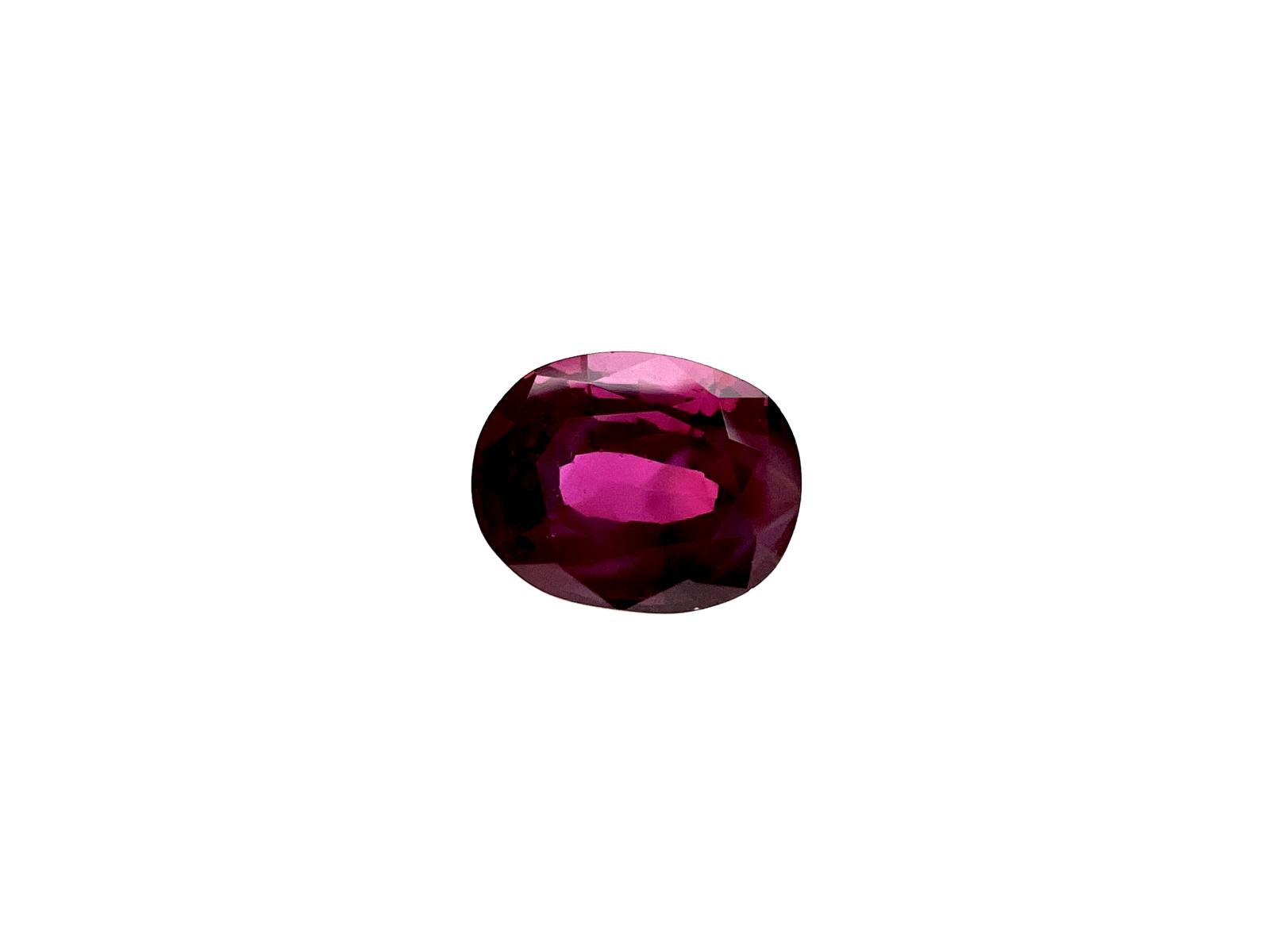
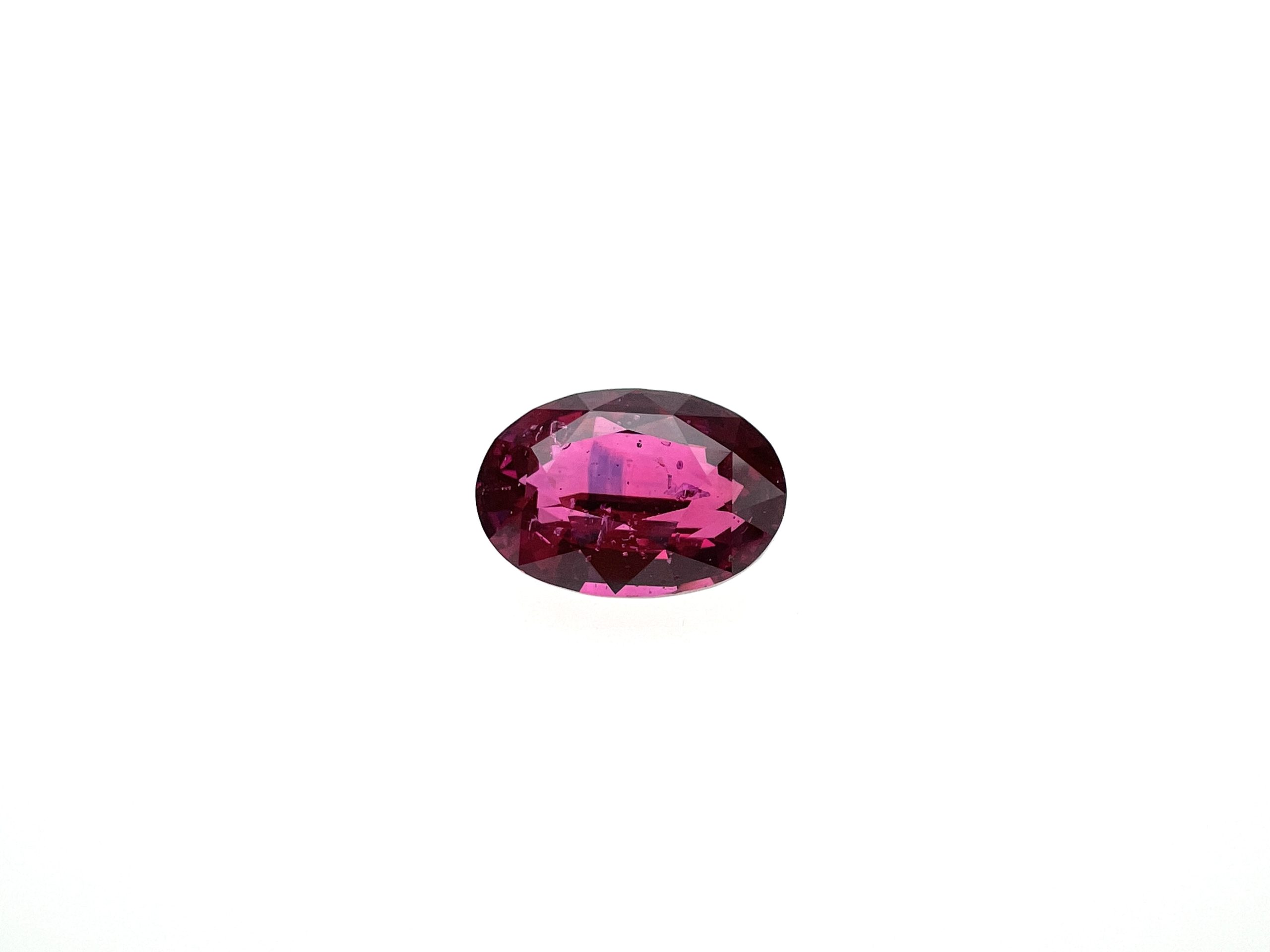
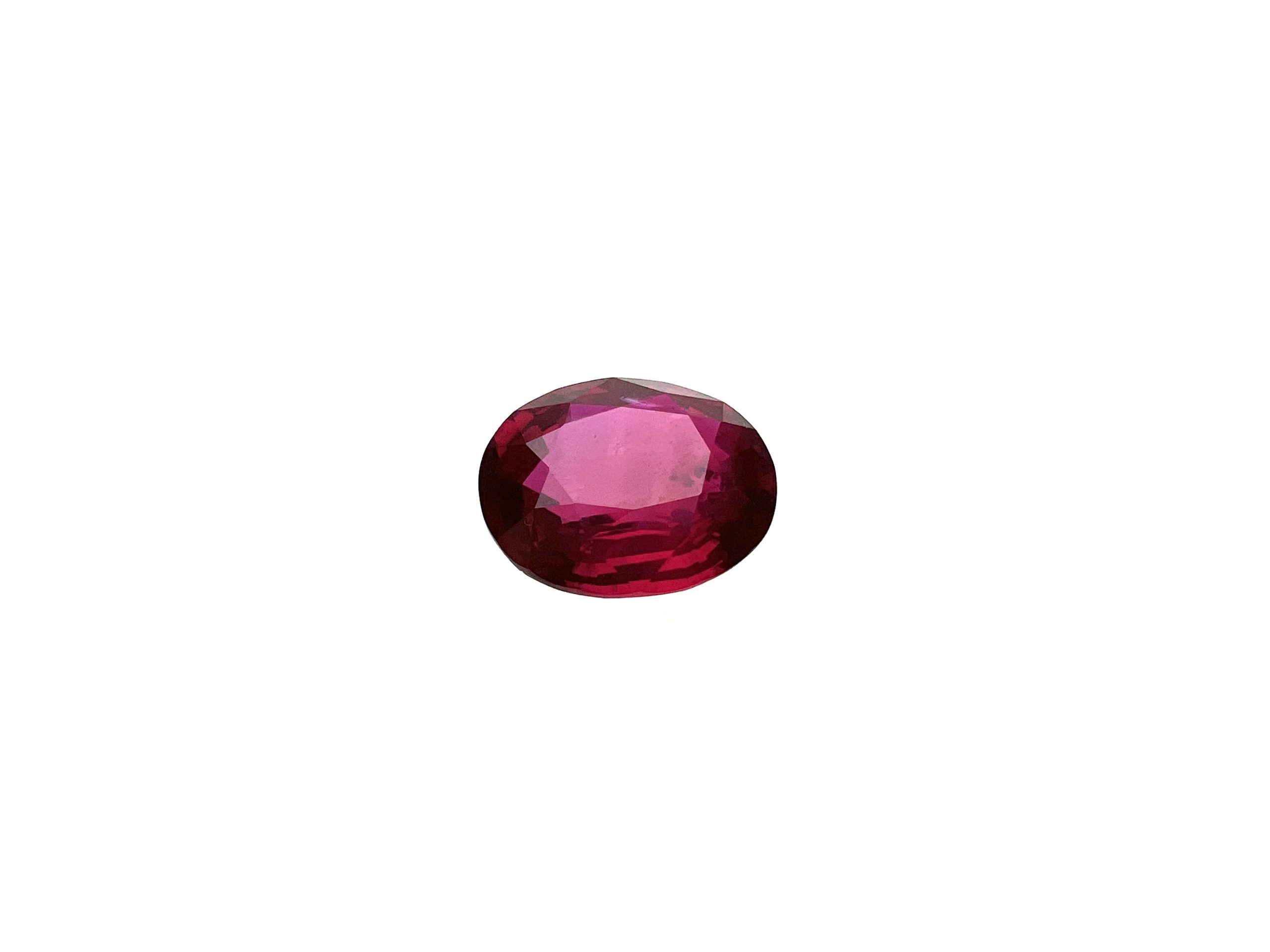
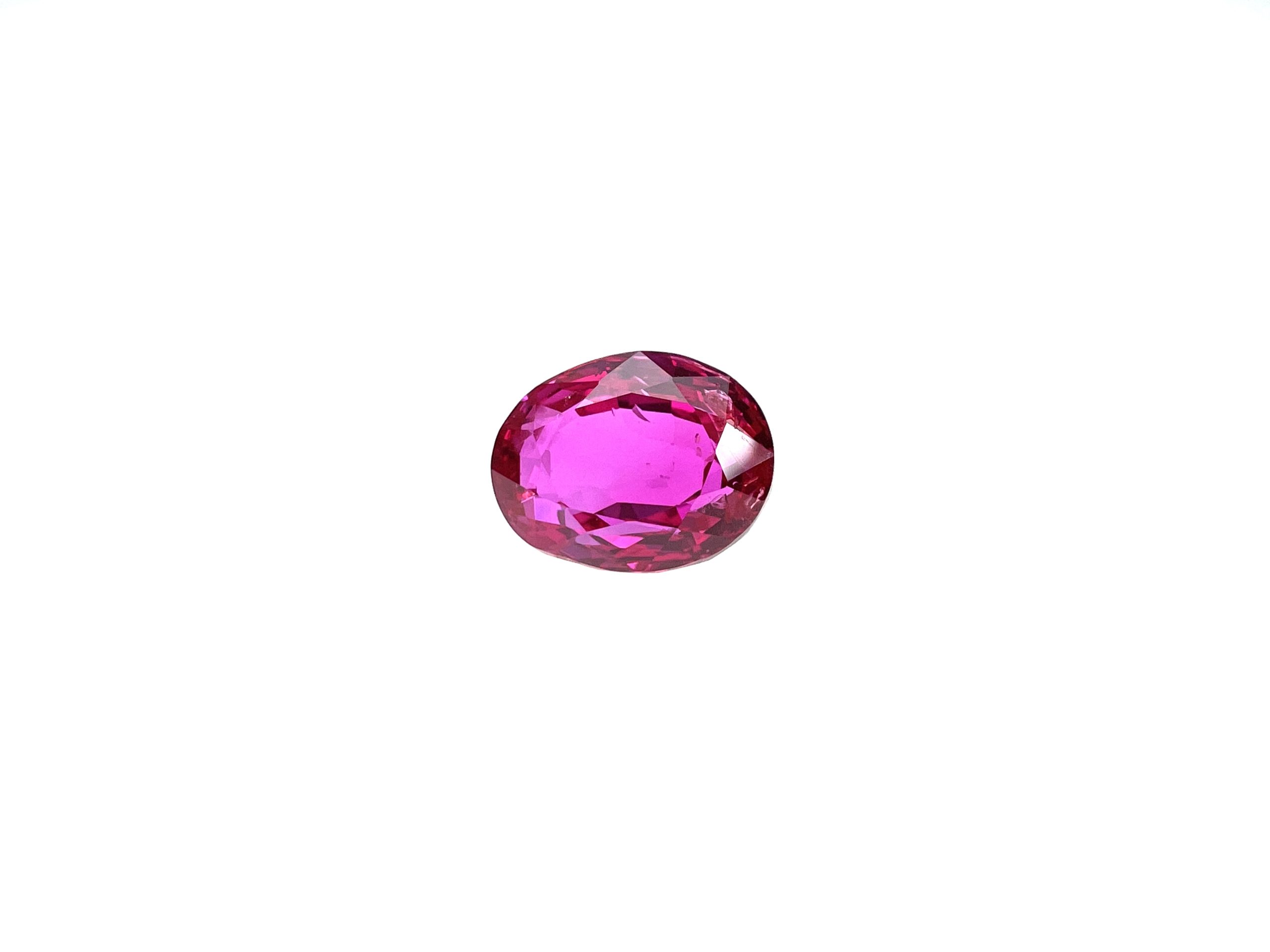
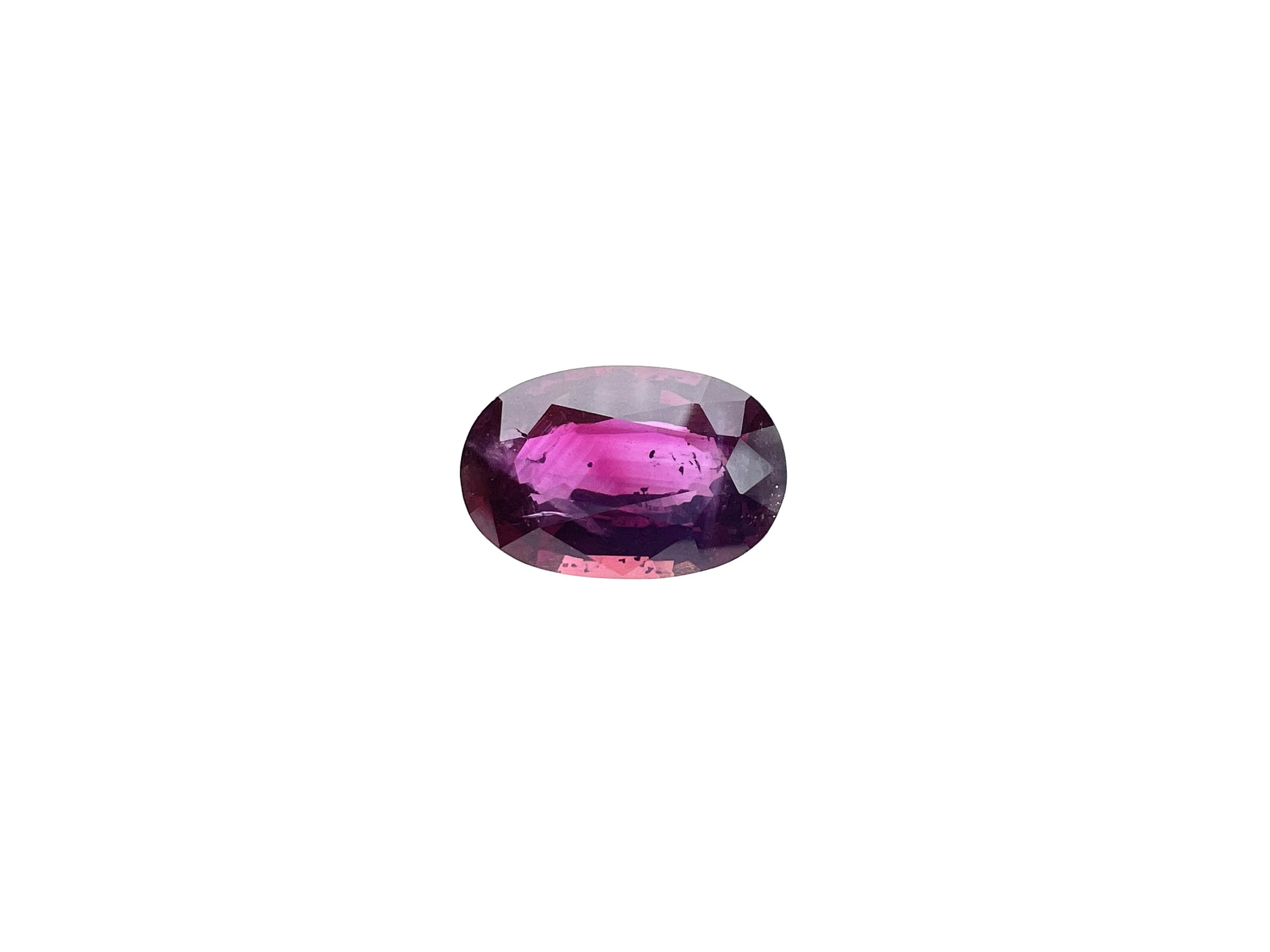
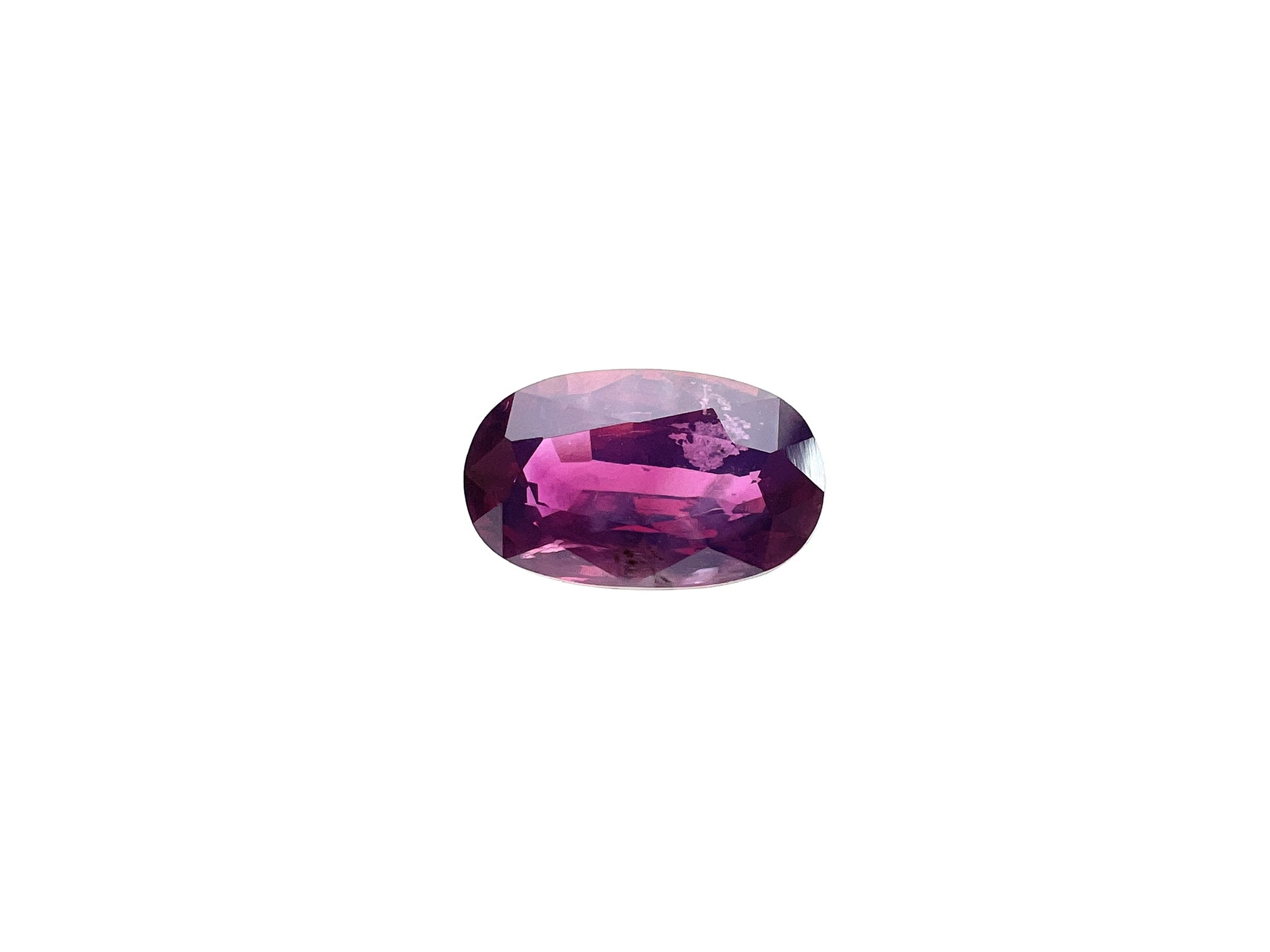
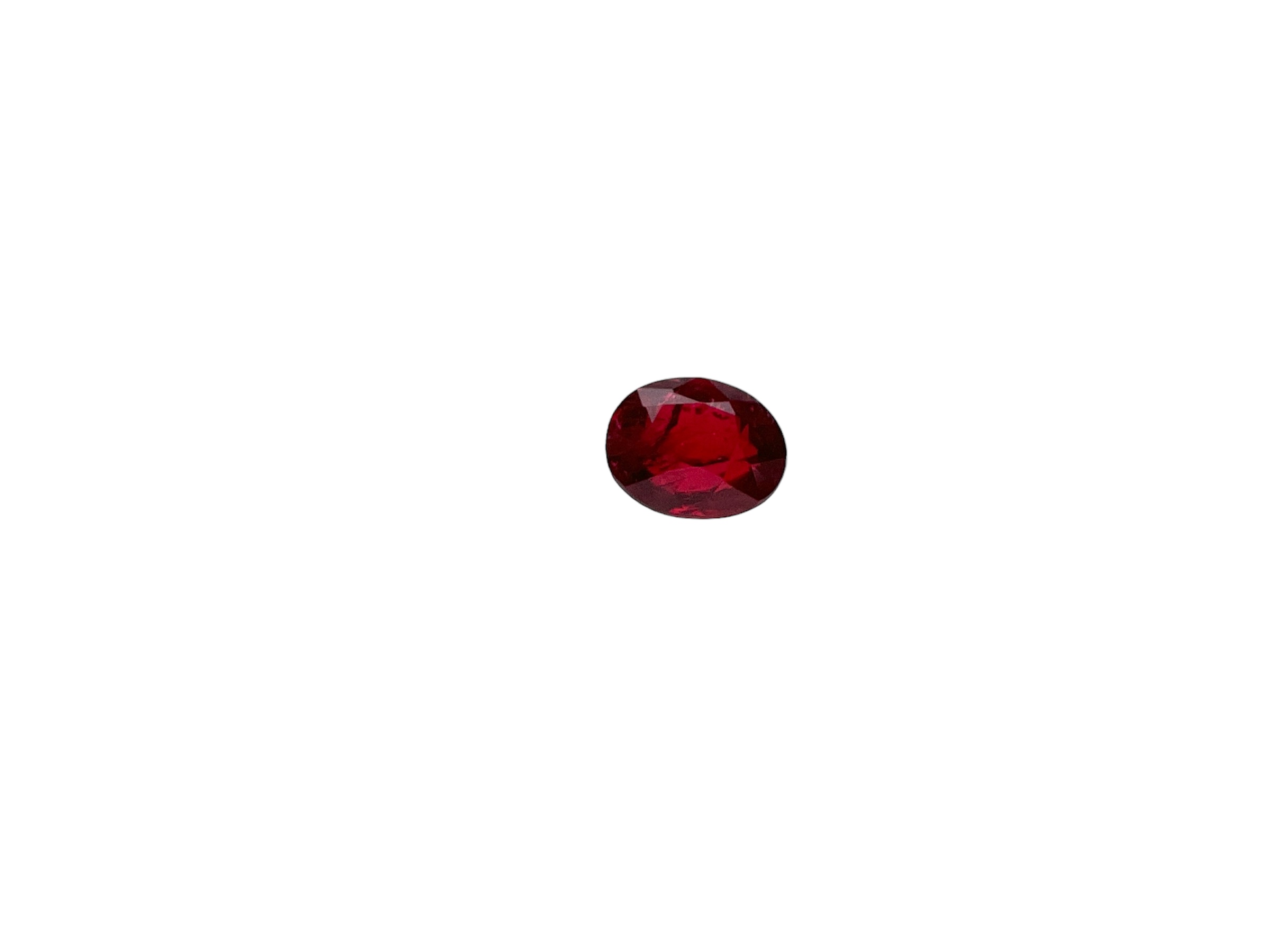
The oval cut is a modified brilliant cut that originated in the 1950s. The oval cut is the most common cut for coloured gemstones.

It is characterised by an elliptical basic shape that is symmetrical both horizontally and vertically. In total, the oval cut has 58 facets, of which 32 are on the crown and 24 on the pavilion.

A key advantage of the oval cut is its ability to maximise the weight of the stone relative to its dimensions. This means that, compared to a brilliant cut, an oval cut gemstone appears larger and higher-carat for the same weight, providing an ideal balance between the weight of the stone and its beauty. Another advantage of this cut is its ability to cleverly hide small imperfections such as inclusions or cracks, giving the stone a higher overall clarity.

Your gemstone search

  • Purplesapphire

    Purplesapphire

    1,327 ct. | V/D
    GLA
    700.00
  • Purplesapphire

    Purplesapphire

    1,735 ct. | VI/D
    GLA
    1,100.00
  • Purplesapphire

    Purplesapphire

    3,566 ct. | V/D
    GLA
    4,800.00
  • Purplesapphire

    Purplesapphire

    1,265 ct. | V/D
    GLA
    1,000.00
  • Purplesapphire

    Purplesapphire

    1,419 ct. | V/D
    GLA
    1,000.00
  • Purplesapphire

    Purplesapphire

    1,616 ct. | VI/D
    GLA
    1,200.00
  • Purplesapphire

    Purplesapphire

    0,975 ct. | V/E
    GLA
    500.00
  • Purplesapphire

    Purplesapphire

    1,463 ct. | VI/C
    GLA
    1,100.00
  • Purplesapphire

    Purplesapphire

    1,877 ct. | VI/E
    GLA
    1,200.00
  • Purplesapphire

    Purplesapphire

    2,021 ct. | VI/D
    GLA
    1,250.00
  • Purplesapphire

    Purplesapphire

    3,031 ct. | IV/C
    GLA
    17,500.00
  • Purplesapphire

    Purplesapphire

    10,040 ct. | IV/D
    GLA
    44,000.00
  • Purplesapphire

    Purplesapphire

    1,309 ct. | IV/D
    GLA
    1,500.00
  • Rhodolite

    Rhodolite

    6,761 ct. | IV/B
    GLA
    1,100.00
  • Rhodolite

    Rhodolite

    6,814 ct. | IV/B
    GLA
    1,100.00
  • Rubellite

    Rubellite

    3,713 ct. | III/C
    GLA
    1,400.00

Facts

properties of tourmaline

  • Separate mineralogical group with many varieties
  • Hardness grade 7 - 7,5
  • Chemical formula: XY3Z6(T6O18)(BO3)3V3W(V, W, X, Y, Z stand for different possible elements)
  • Includes all colors
  • Colored by different metal oxides
  • Specific gravity 2.8 - 3.3 g/cm3

origin

  • Brasilia
  • Madagascar
  • Pakistan
  • Various locations in Europe
  • Mozambique
  • Namibia
  • Nigeria

worth knowing

  • Oldest known locality in modern trade: Brazil
  • Occurs in all colors
  • Forms beautiful crystals with very good crystal endings
  • Various esoteric and healing meanings
  • Also large crystals and large cut stones possible
  • The locality Pakistan was discovered only around 2010

investment in tourmaline

  • Still undervalued compared to other gemstones.
  • Exception: the Paraiba tourmaline, which can be more expensive than sapphire
  • Stones should be at least 5 ct in weight, except for Paraiba
  • Larger stones have higher appreciation
  • Experts calculate 6 - 8% increase in value per year
  • Beautiful, pure stones with clear colors are preferable
close
[cleverreach form=219969]