


Octagon
Step cuts with octagonal facets are characterised by parallel facets arranged in a step shape. The most common variations of the step cut are the emerald cut and the asscher cut. Both cuts are characterised by oblique, four-sided facets that run parallel to the ridge of the gemstone. A characteristic feature of these cuts is the cut corners, as square corners are generally more prone to breakage.
The main advantage of the staircase cut is that it preserves the weight of the rough stone better than, for example, the brilliant cut and is also suitable for brittle gemstones. The emerald cut was developed specifically for emeralds, a gemstone known for its brittleness.
However, the step cut can also highlight inclusions and other imperfections in the stone. While step cuts cannot match the brilliance or fire of a brilliant cut, they do accentuate the purity of the gemstone and give it a more subtle and transparent appearance.
Showing 81–96 of 131 results
-
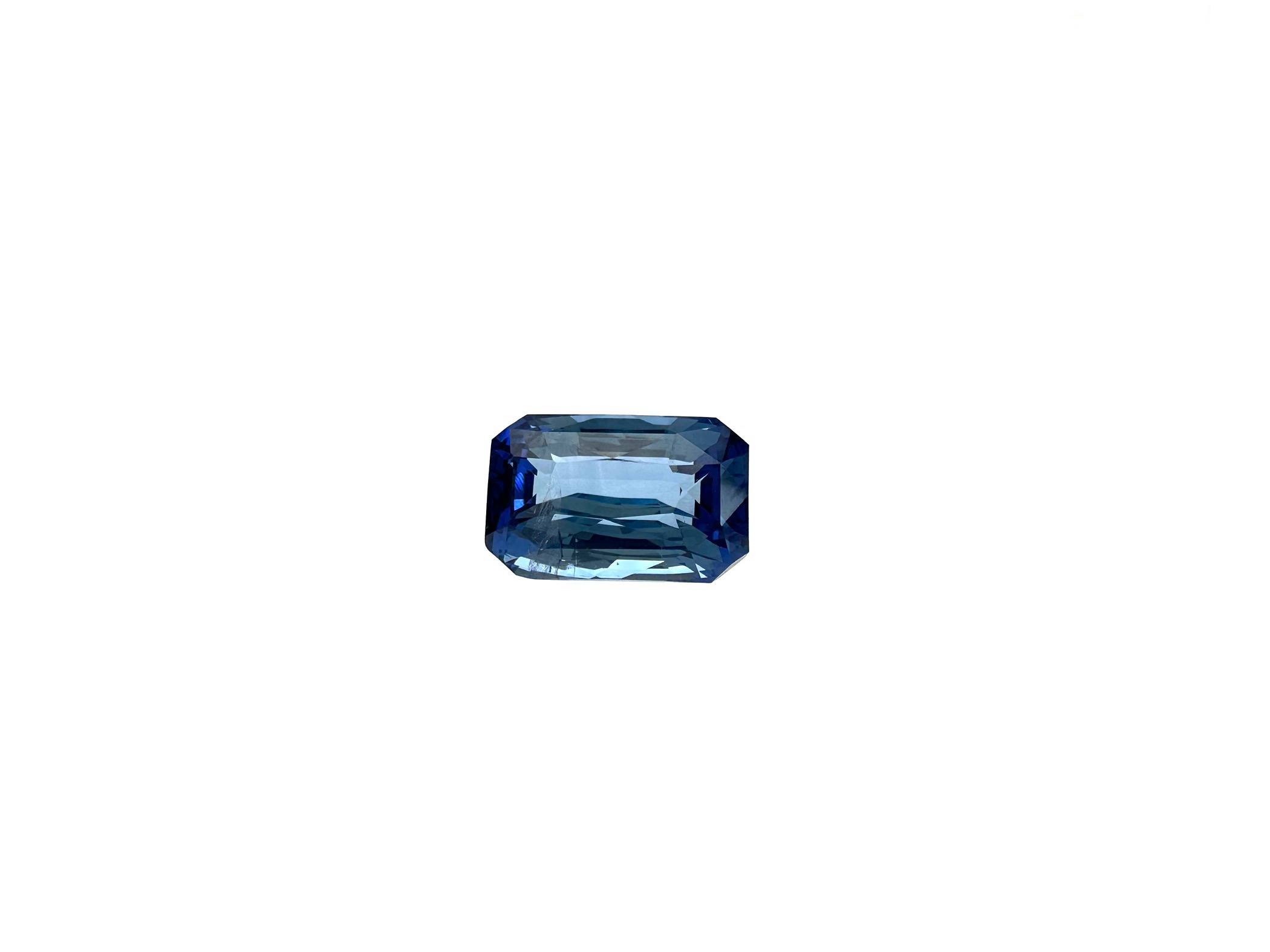
Sapphire
€50,000.007,091 ct. | IV/CGLA -
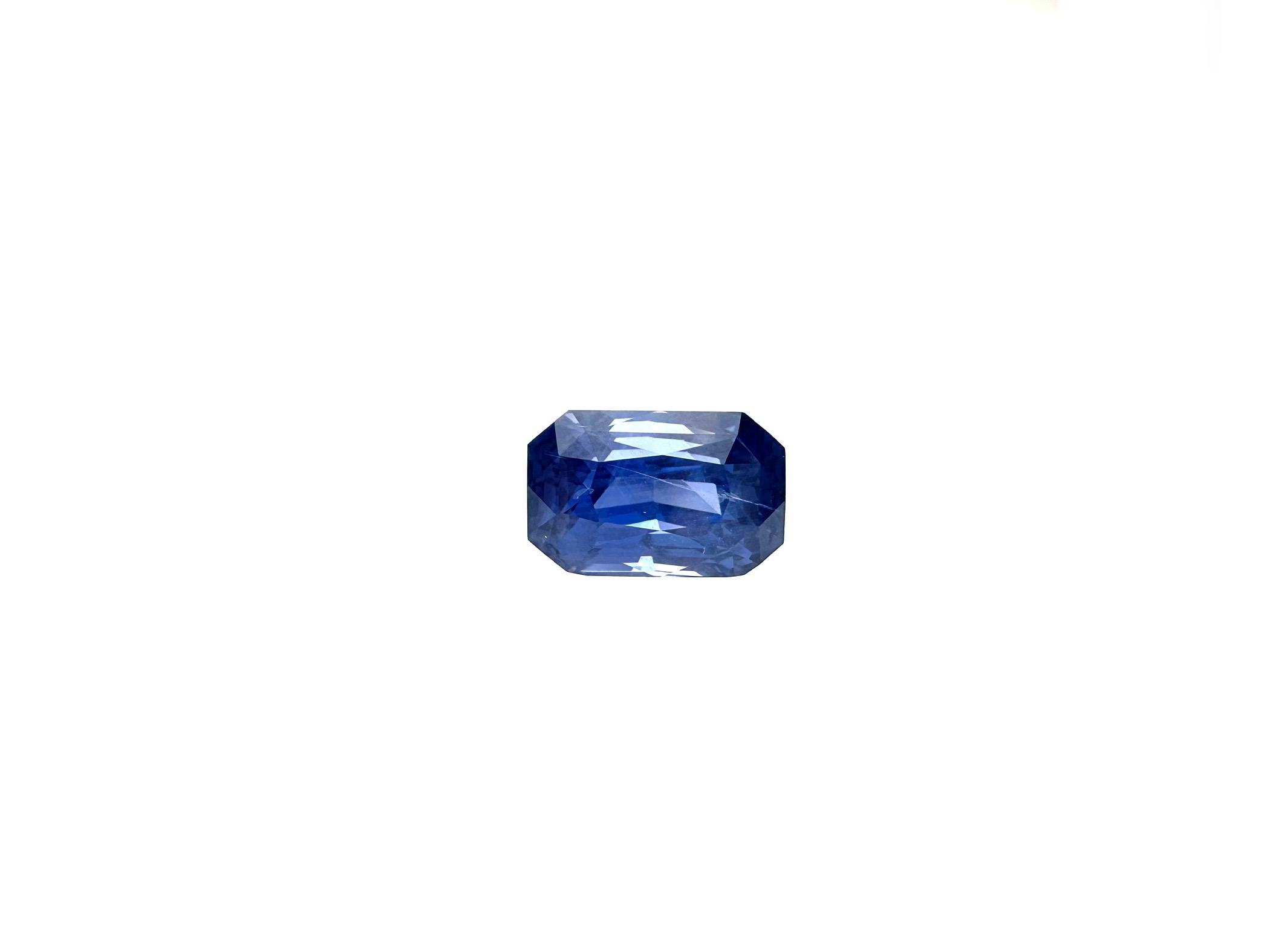
Sapphire
€41,500.006,303 ct. | IV/CGLA -
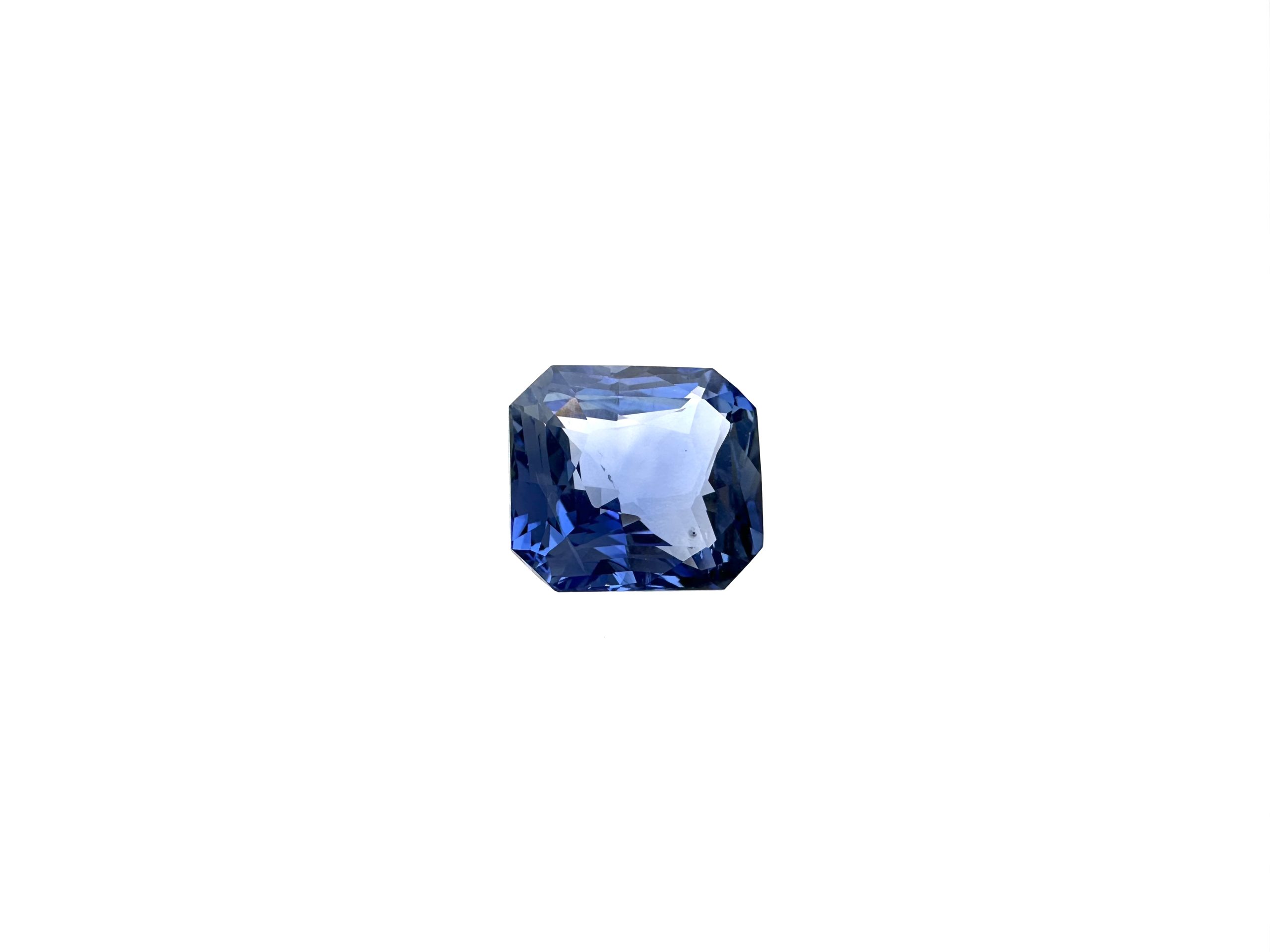
Sapphire
€26,000.005,285 ct. | IV/CGLA -
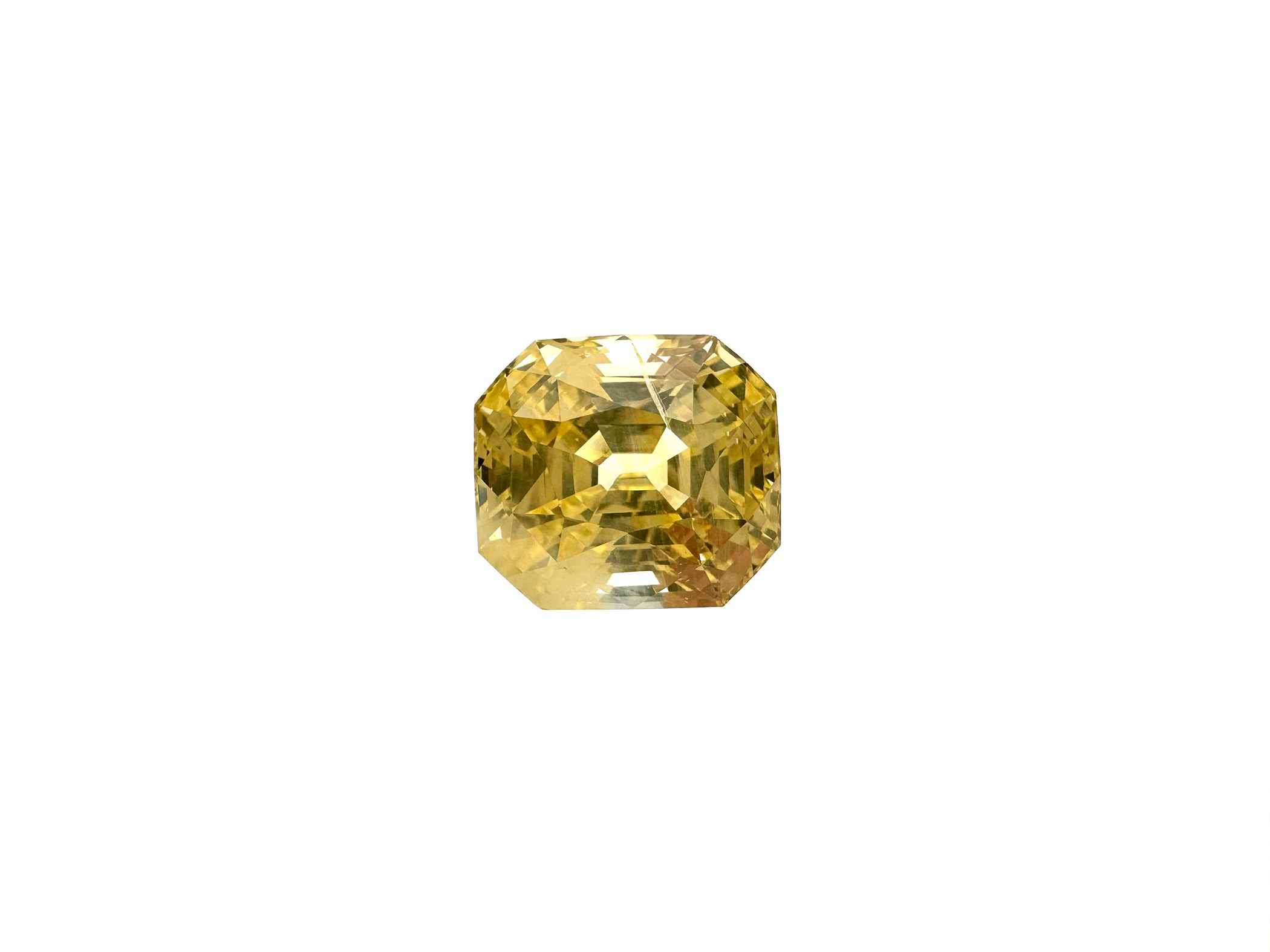
Sapphire
€66,000.0016,213 ct. | III/CGLA -
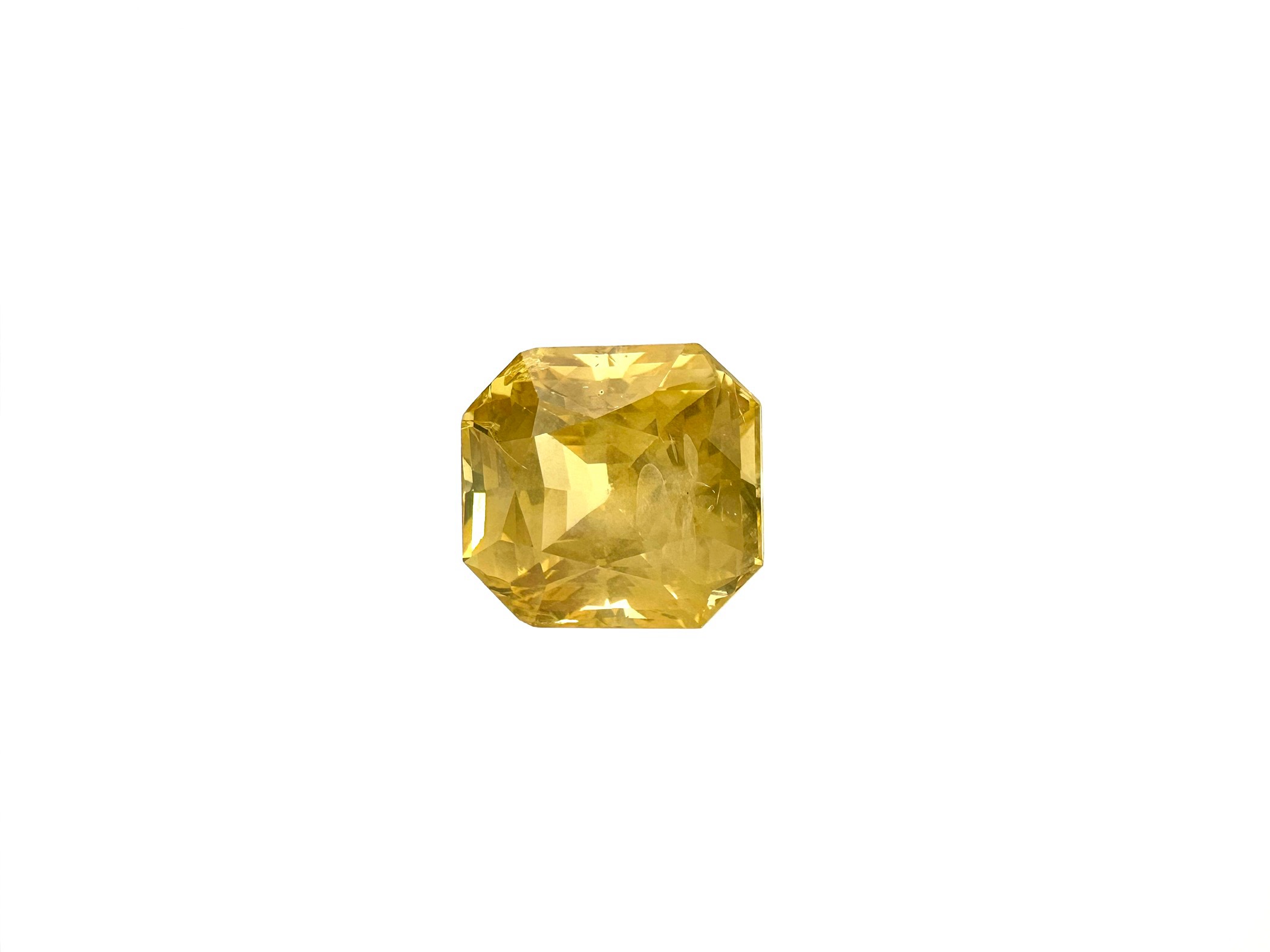
Sapphire
€48,000.0019,959 ct. | II/EGLA -
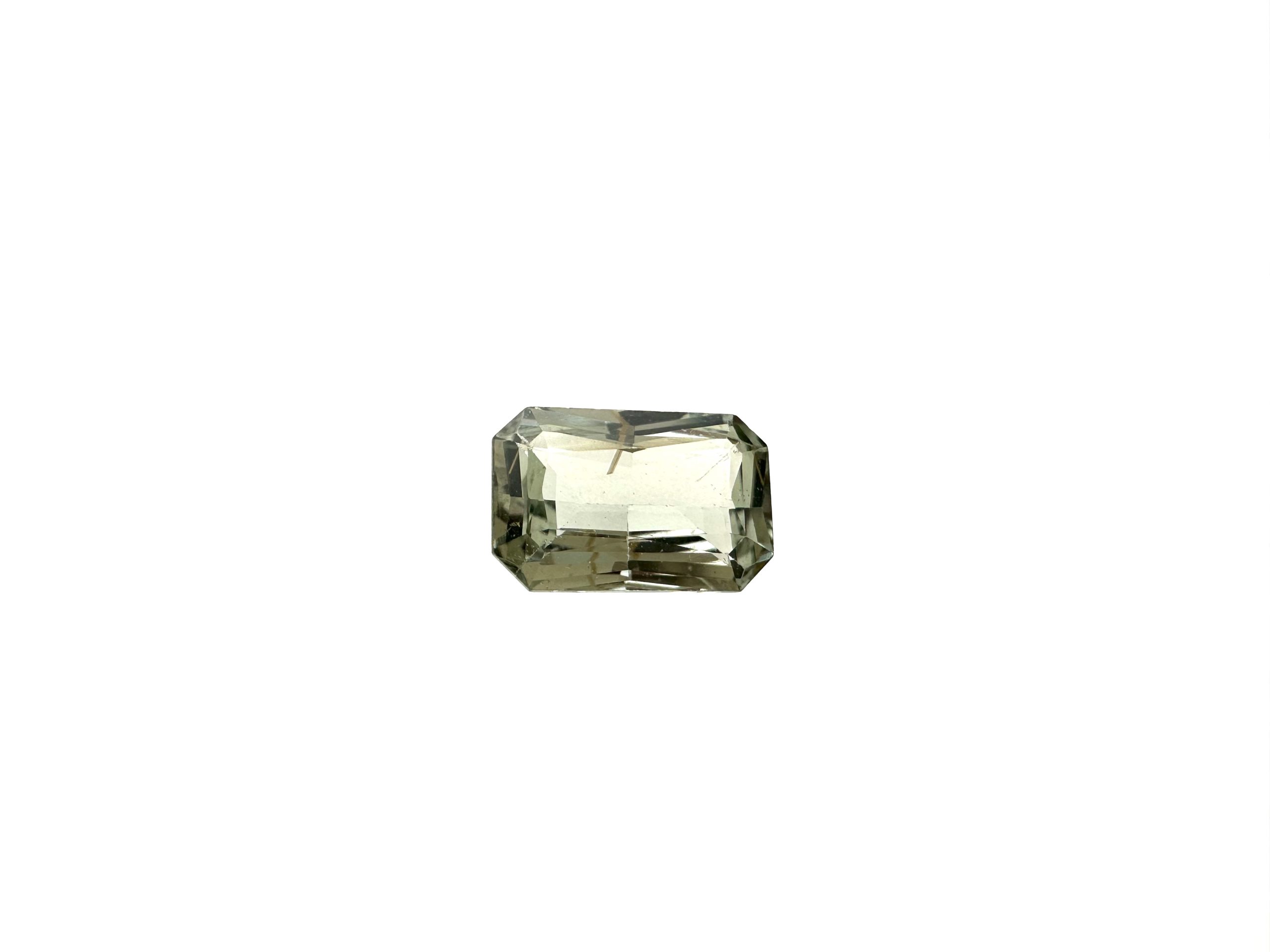
Sapphire
€650.001,476 ct. | VII/CGLA -
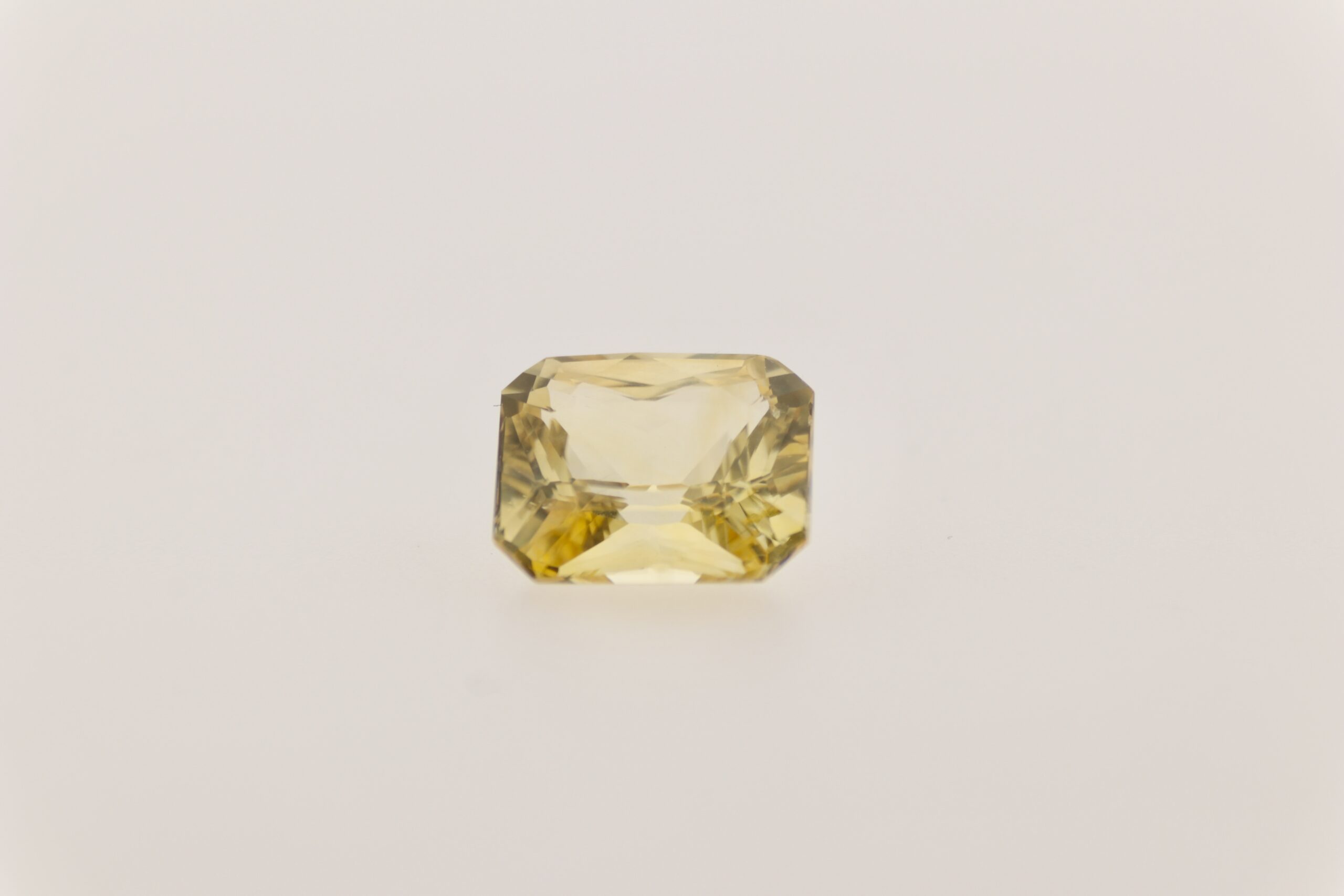
Sapphire
€16,800.005,795 ct. | III/CGLA -
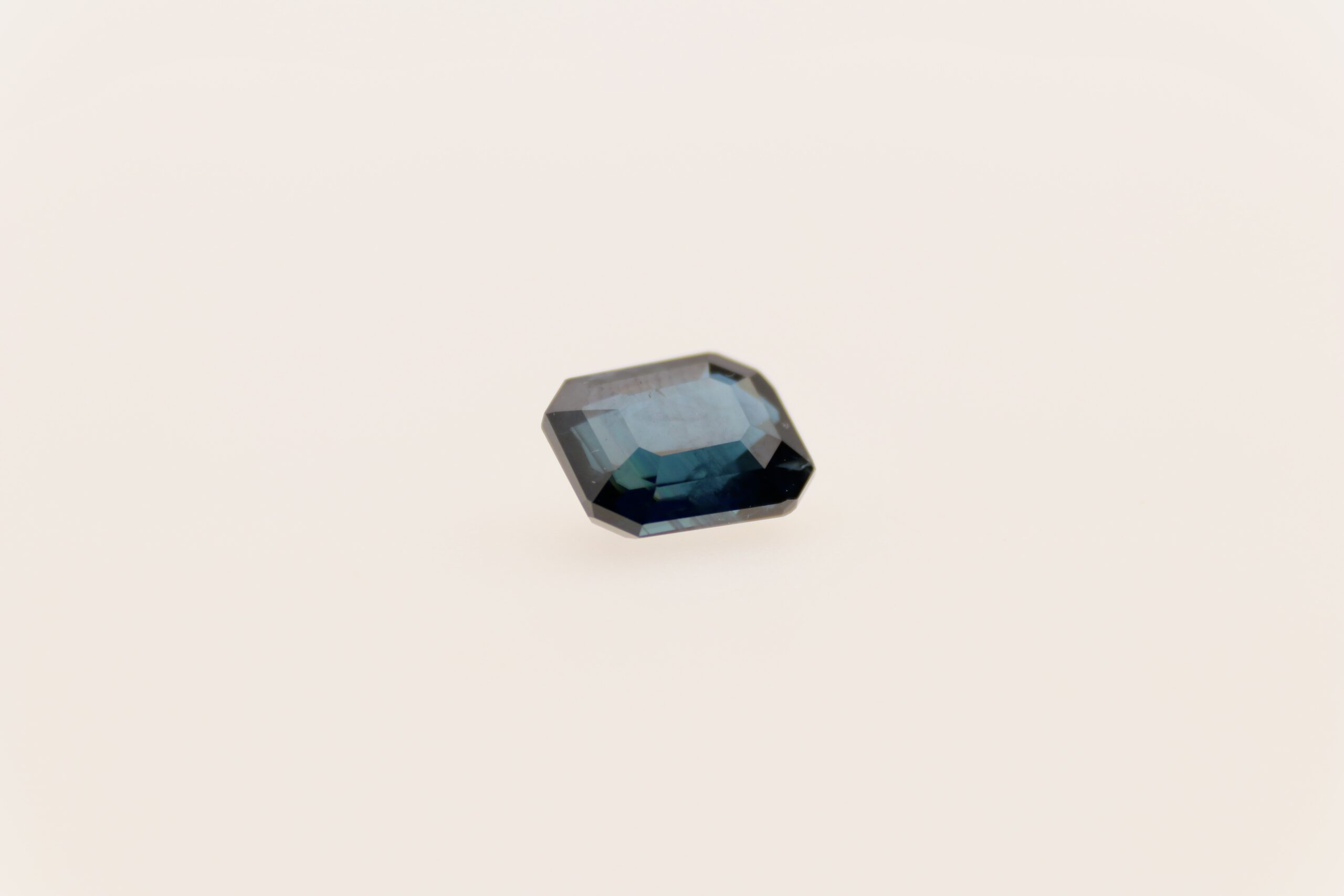
Sapphire
€2,300.003,748 ct. | VIII/DGLA -
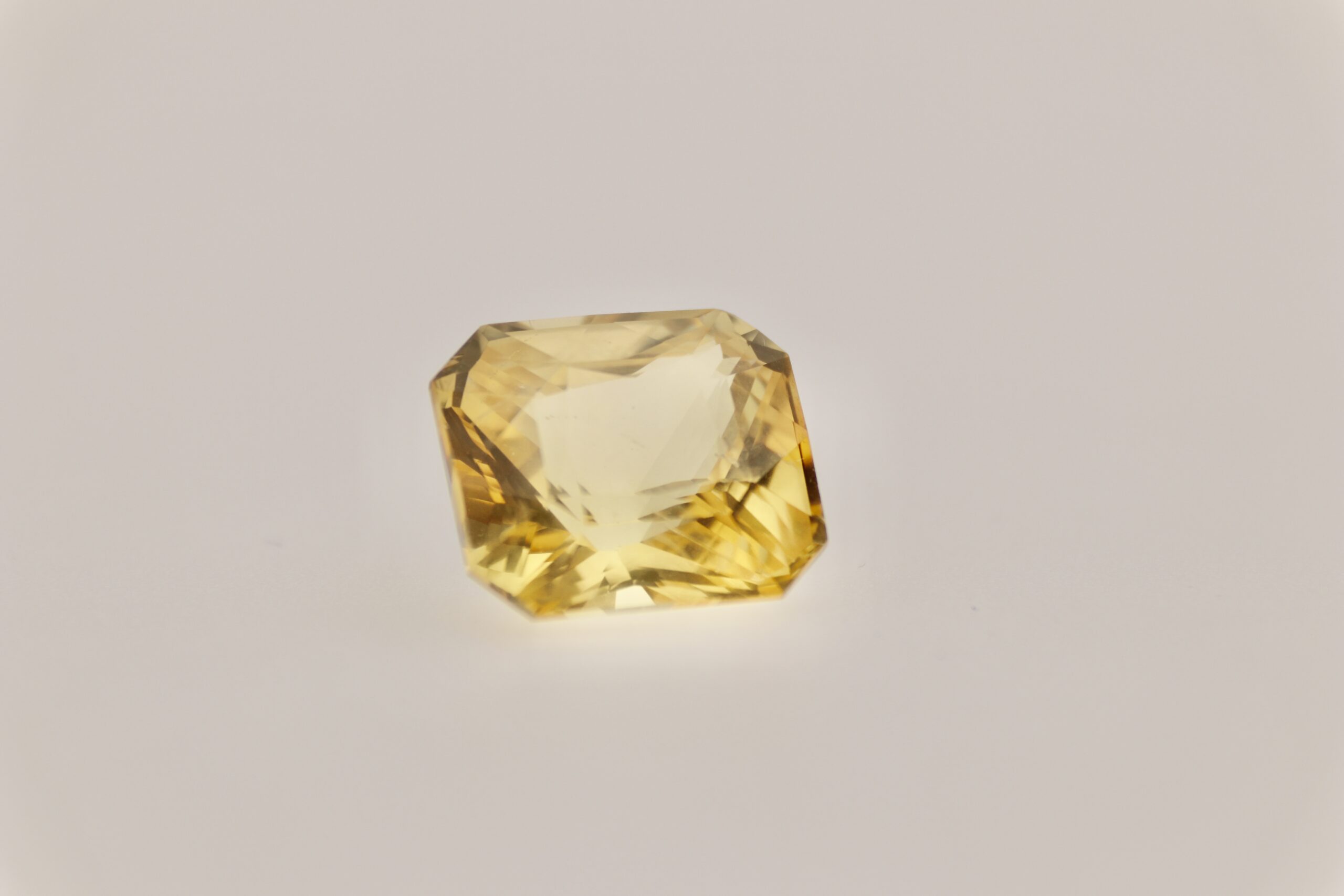
Sapphire
€45,000.0012,678 ct. | III/CGLA -

Spinel
€1,000.001,762 ct. | V/BGLA -

Spinel
€1,500.002,392 ct. | V/CGLA -
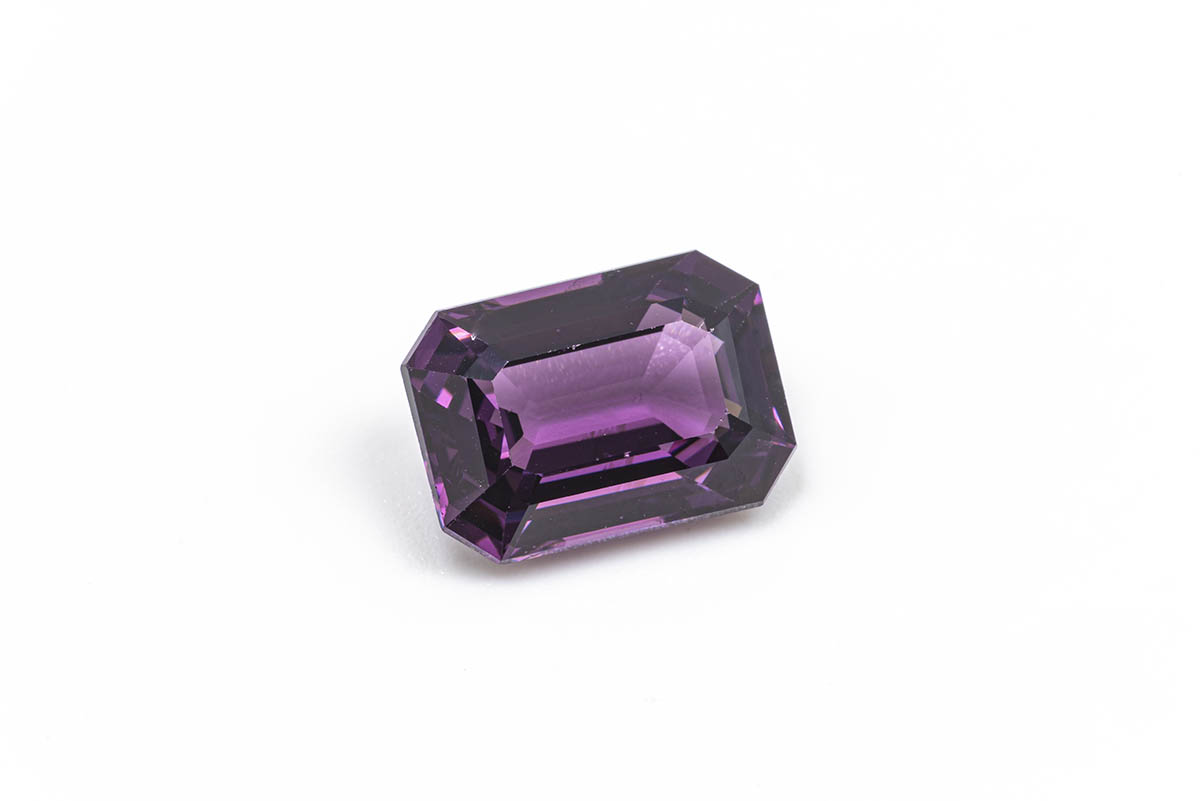
Spinel
€1,600.006,988 ct. | V/CGLA -
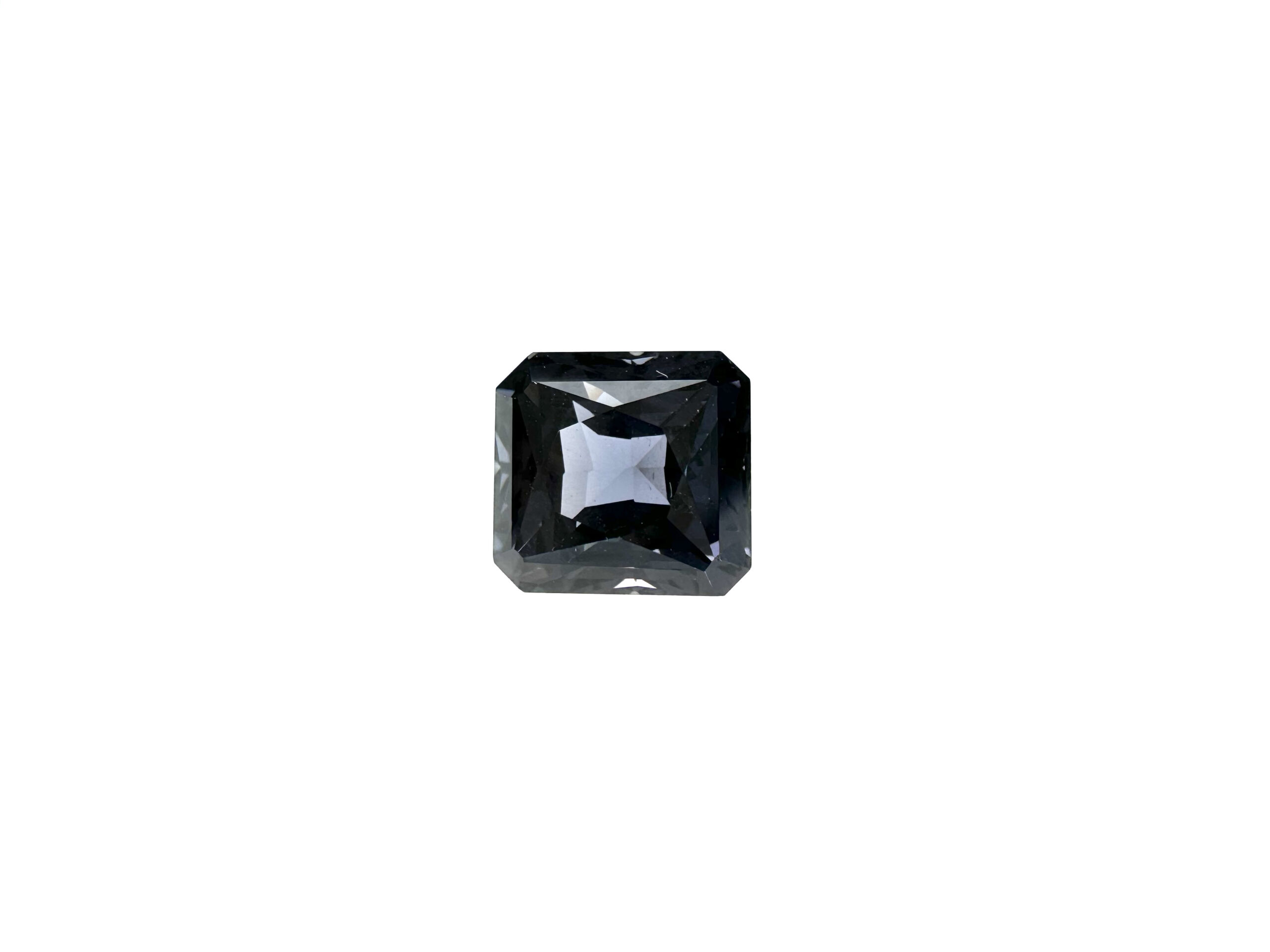
Spinel
€1,200.002,751 ct. | VI/BGLA -
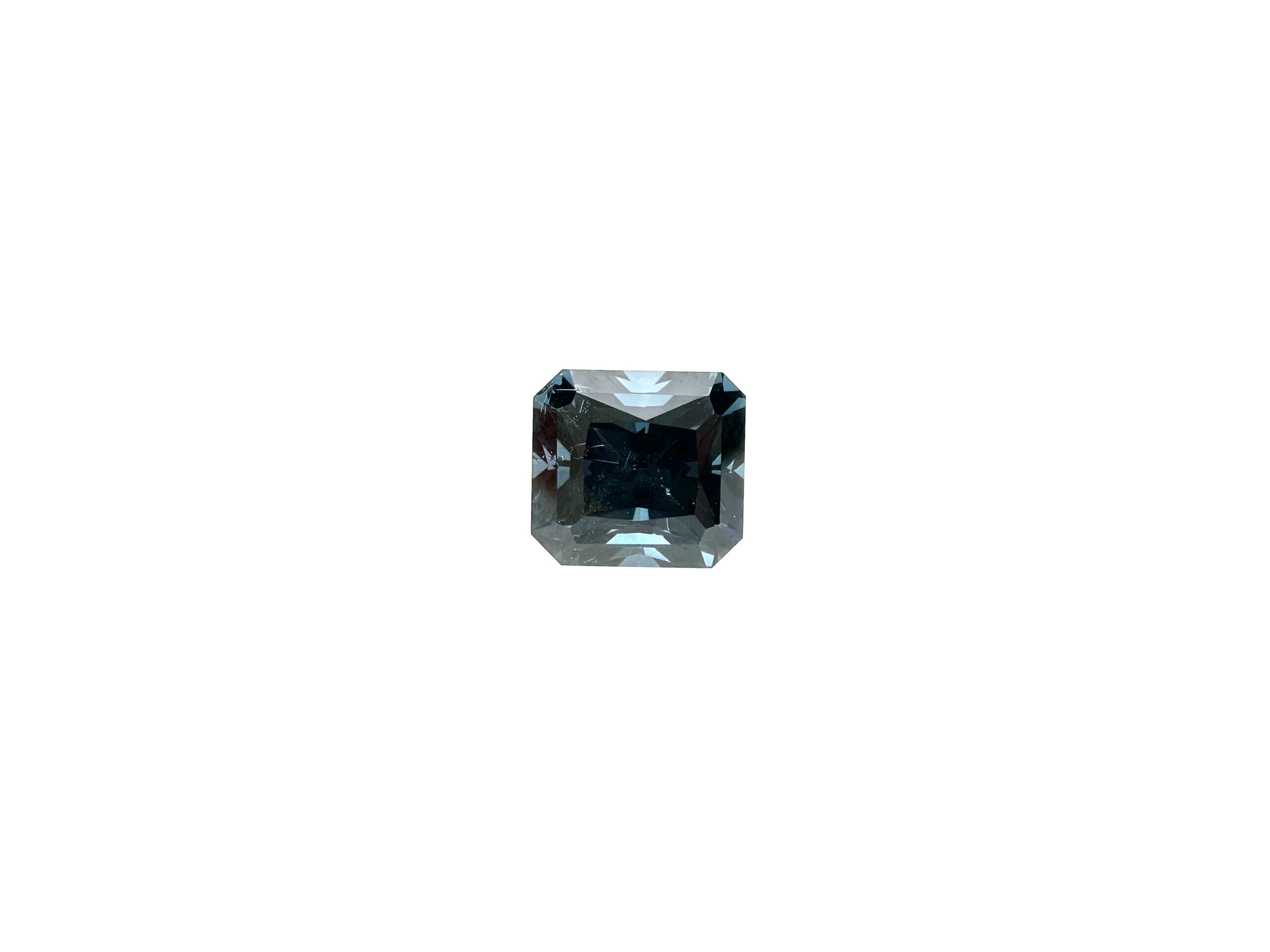
Spinel
€1,100.002,309 ct. | VI/CGLA -
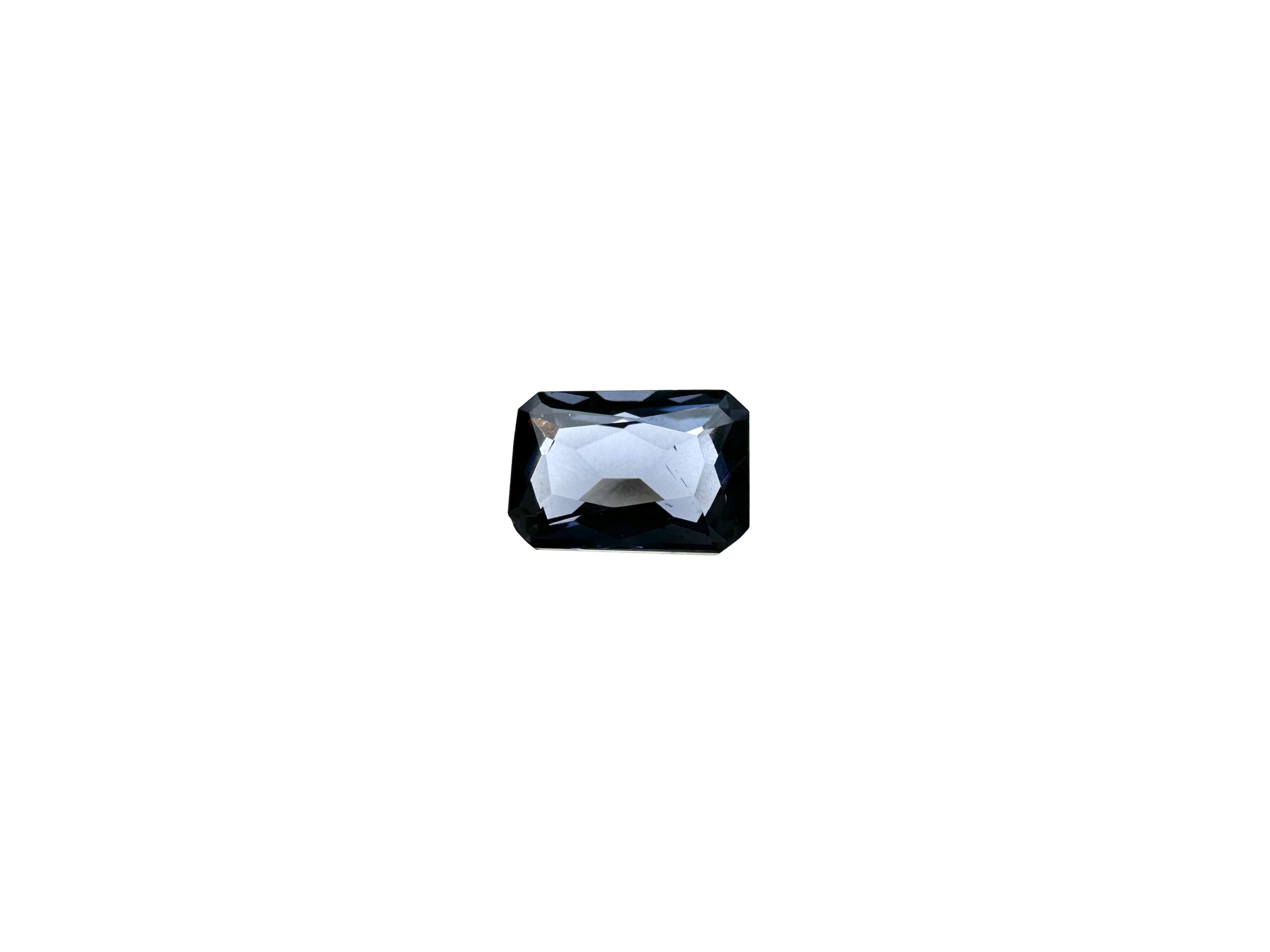
Spinel
€500.001,269 ct. | V/CGLA -
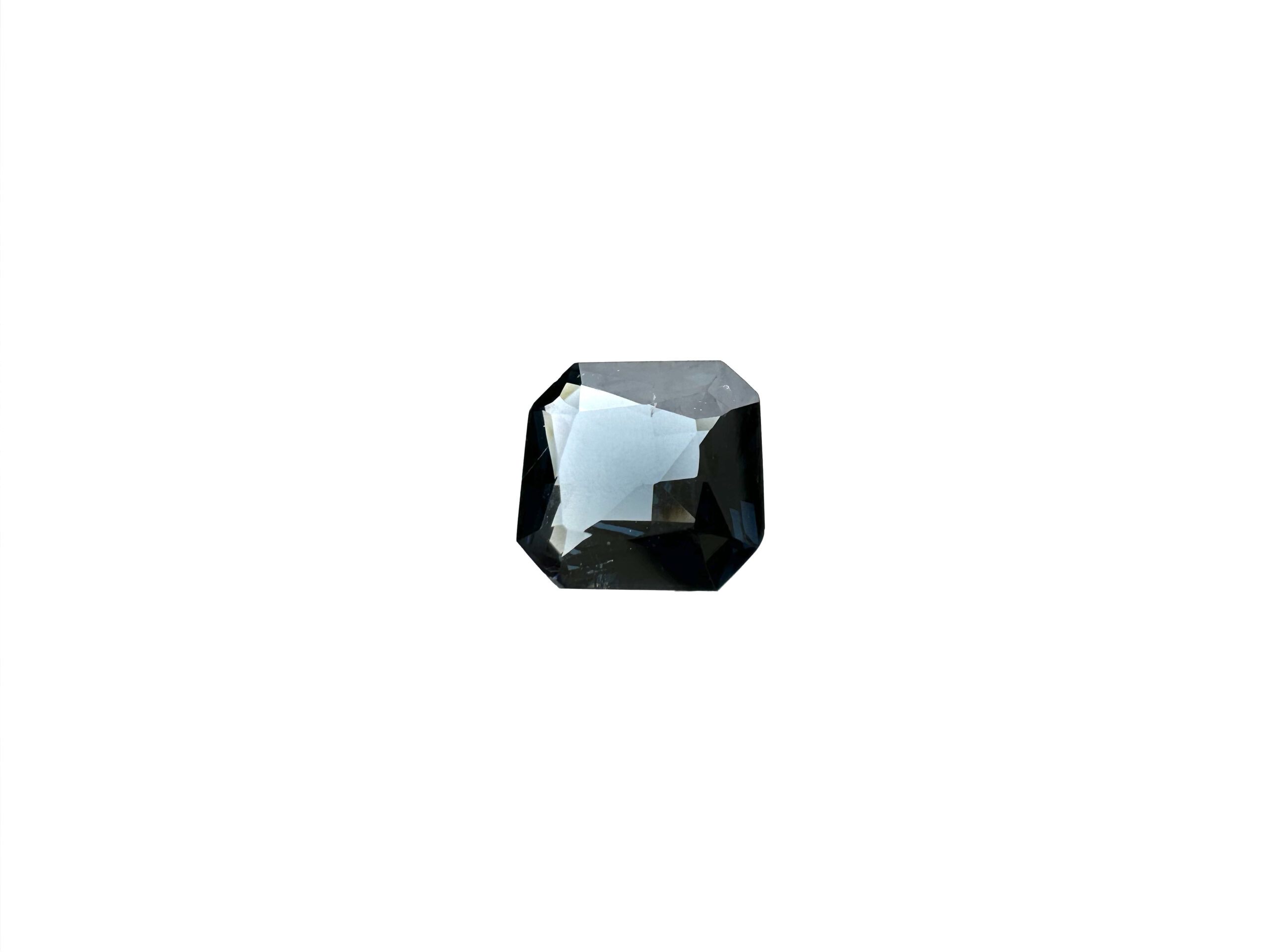
Spinel
€500.001,670 ct. | VI/CGLA


